The aroma of freshly baked bread has an almost magical ability to transport us to a place of warmth and nostalgia—a cozy kitchen, filled with light and laughter. Imagine opening your oven door, and as you pull out a golden-brown loaf, the steam rushes out, swirling in the air, carrying with it the scent of something irresistible. That enchanting experience awaits you with a heartwarming recipe for Classic Artisan Sourdough with Olive Oil and Honey. As the crust crackles beneath your fingertips, and the soft, pillowy interior beckons your taste buds, you know that this is no ordinary loaf. This sourdough bread invites you to savor its rich flavor, with bright olive oil and the delicate sweetness of honey dancing harmoniously on your palate. Each bite presents a perfect balance of crunch and creaminess, leaving a lingering taste that beckons you to return for more.
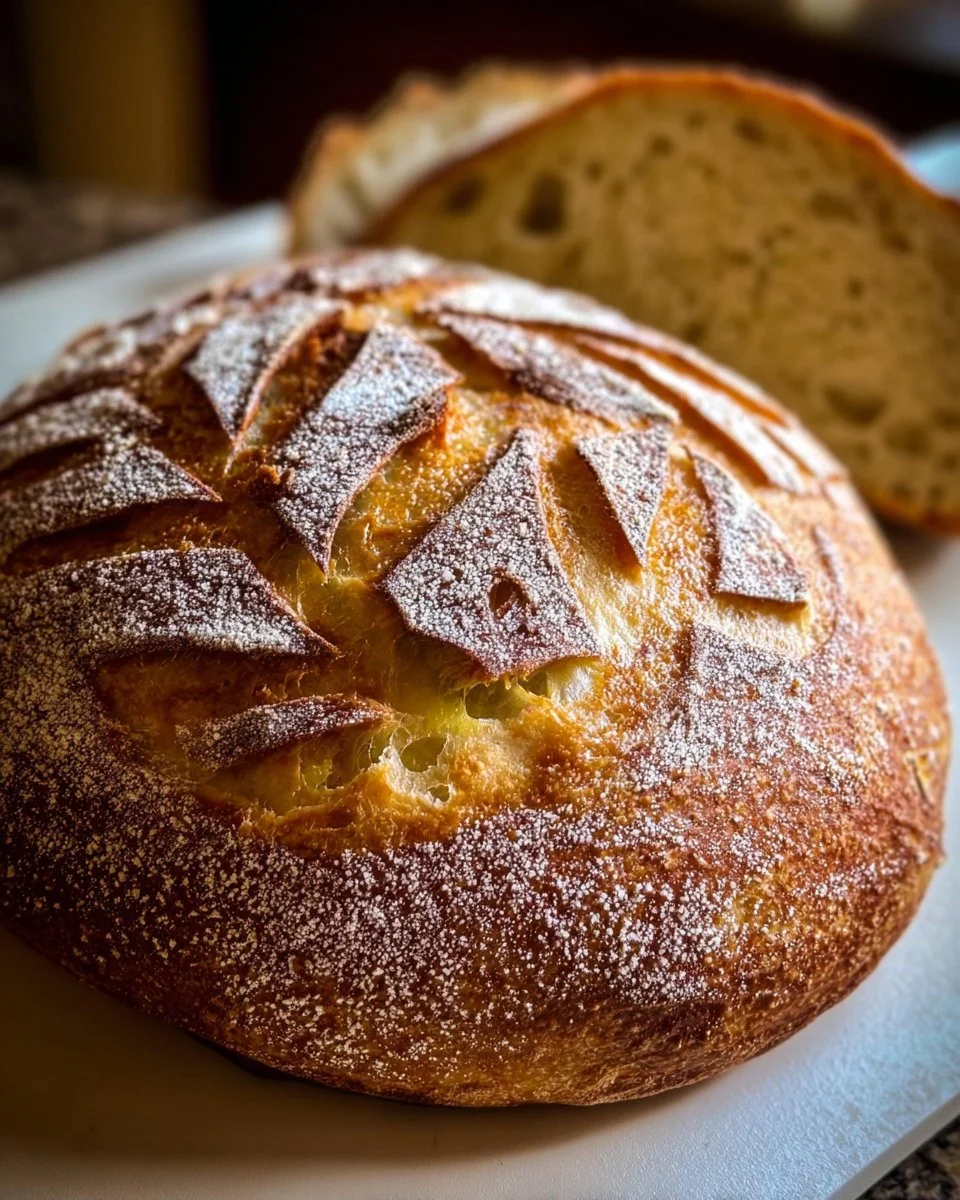
Baking bread gives us a sense of accomplishment, but when the loaf you create is as visually stunning as it is delicious, it becomes a true centerpiece. The rustic crust forms a beautiful, crunchy exterior that contrasts delightfully with its airy, open crumb structure. You’ll feel as if each slice holds a story of its own, made even richer by the artisanal nature of sourdough—the wild yeast slowly working its magic through a straightforward yet painstakingly rewarding process. This is not just about nourishment; it’s an experience that brings joy, warmth, and satisfaction to anyone lucky enough to take part.
Whether you’re hosting a dinner party, celebrating a special occasion, or simply indulging in your daily bread ritual, this Classic Artisan Sourdough with Olive Oil and Honey rises to every occasion. It transforms every meal into a feast. Allow your inner chef to shine, and share this gift with loved ones, as the enticing aroma wafts through your home, wrapping everyone in a warm embrace.
Why You’ll Love This Classic Artisan Sourdough with Olive Oil and Honey
This is not merely a loaf of bread; it’s an experience that showcases how simple ingredients can create something extraordinary. The combination of olive oil and honey elevates this sourdough to new heights. The olive oil adds a luxurious mouthfeel and depth of flavor while the honey introduces a gentle sweetness that rounds out the bread’s naturally tangy character. This harmonious duo creates a versatile bread that pairs beautifully with savory dishes or offers a delightful contrast to sweet ones.
You’ll find countless reasons to fall in love with this sourdough recipe. The benefits extend beyond its breathtaking taste and texture. Its natural leavening requires minimal additives, making it an excellent choice for health-conscious bakers. Imagine serving freshly sliced artisan bread with a hearty soup on a chilly night, or at a sun-drenched picnic alongside ripe cheeses and juicy fruits. This sourdough bread sparks joy, captures attention, and makes any meal memorable.
Preparation Phase & Tools to Use
Before diving into the world of sourdough baking, equip yourself with a few essential tools that will help you craft the perfect loaf. Each tool plays a significant role, ensuring your baking adventure is successful and joyful.
-
Large Mixing Bowl: A spacious bowl allows for easy mixing of ingredients and provides enough room for your dough to rise. Choose one that’s sturdy; a glass or stainless-steel bowl works wonderfully.
-
Kitchen Scale: Precision matters in baking, especially in sourdough. A digital scale ensures accurate measurements, leading to consistent results.
-
Dough Scraper: This handy tool helps gently lift, fold, and shape your dough without losing air bubbles during manipulation.
-
Banneton (Proofing Basket): A banneton provides the perfect environment for your dough to proof. These baskets help maintain structure while allowing for beautiful patterns on the crust.
-
Sharp Blade or Scoring Tool: Scoring your dough adds aesthetic appeal and allows for controlled expansion during baking, leading to a beautifully shaped loaf.
-
Cast Iron Dutch Oven (optional): This tool helps create a steamy environment, perfect for crusty, artisan-style bread. If you don’t have one, a baking stone or sheet will suffice.
Practical Preparation Tips
Before you start, remind yourself that patience is a virtue when making sourdough. Patience allows the chemistry of fermentation to unfold beautifully, creating an irresistible bread that boasts intense flavors and textures.
Ingredients for Classic Artisan Sourdough with Olive Oil and Honey
-
500g Bread Flour: Preferably, use high-protein bread flour to achieve optimal gluten development. If you want a lighter loaf, you might substitute a portion with all-purpose flour, but refrain from using whole wheat just yet.
-
350ml Water: Room-temperature water works best. Overly hot or cold water can hinder yeast activity.
-
100g Sourdough Starter: Your active, bubbly starter is the heart of this recipe. Ensure it’s at its peak of activity before use. If you don’t have a starter yet, fear not! You can create your own with the right guidance.
-
10g Salt: Salt enhances flavor, adds strength to the dough, and controls fermentation. Choose either kosher or sea salt for the best result.
-
30ml Olive Oil: Use high-quality extra virgin olive oil for its rich flavor and smooth texture, contributing to the luxurious feel of the bread.
-
20g Honey: Honey adds a touch of sweetness and encourages browning during baking. You may use maple syrup or agave for a vegan option.
How to Make Classic Artisan Sourdough with Olive Oil and Honey
-
In a large bowl, mix the bread flour and water until no dry flour remains. This rich, shaggy mixture should embody the spirit of anticipation, allowing it to rest for 30 minutes. This process, known as autolyse, lets the flour absorb water and develop gluten.
-
Add the sourdough starter, salt, olive oil, and honey to the dough. Stir until well incorporated. The dough begins to take shape, with fragrant aromas emerging as the ingredients meld.
-
Knead the dough on a lightly floured surface for about 10 minutes until smooth and elastic. Your hands will become intimately familiar with the texture; the dough will feel stretchy yet resilient.
-
Transfer the kneaded dough to a lightly greased bowl, cover it, and let it rise for 4-6 hours or until it doubles in size. In this stage, surrender to the magic of fermentation.
-
Turn the dough onto a floured surface, shape it into a round loaf, and place it into a floured banneton. This ensures it maintains its structure.
-
Let it proof for about 1-2 hours. Preheat your oven to 230°C (450°F) in preparation for what’s to come.
-
Transfer the dough onto a baking sheet, score the top boldly, and bake for 30-35 minutes until golden brown. Savor the exhilarating scent wafting through your home as it bakes.
-
Let it cool on a wire rack before slicing. Patience rewards you as you give the crumb time to set and the crust to develop.
Chef’s Notes & Helpful Tips
-
Make-ahead: You can prepare the dough in the evening, allowing it to rise overnight in the refrigerator for a slow fermentation. This will enhance the flavor.
-
Cooking alternatives: Feel free to experiment with your oven setting, utilizing a Dutch oven to make the process easier and rewarding with a more artisanal style. If short on time, an air fryer can achieve a quick bake, though the results may differ slightly.
-
Customization: Try adding herbs, nuts, or even dried fruits for delightful variations that suit your taste.
Common Mistakes to Avoid
Baking sourdough might seem intimidating, but it’s essential to be aware of common pitfalls.
-
Neglecting to feed your starter: Ensure your starter is active and bubbly before using it, or your dough may not rise properly.
-
Skipping the autolyse: This crucial step helps develop gluten and enhances flavor; omitting it can lead to a dense loaf.
-
Under or over-proofing: Properly judging dough readiness is a skill that comes with practice. The dough should be billowy, lightly springy, but not collapsing.
What to Serve With Classic Artisan Sourdough with Olive Oil and Honey
The versatility of this sourdough loaf means it welcomes an array of accompaniments. Consider indulging in some of these delightful pairings:
-
Crusty Cheese: Pair with aged cheddar or goat cheese to elevate your cheese platter.
-
Olive Tapenade: A spread of briny olives and zesty garlic enhances the flavor with a Mediterranean flair.
-
Fresh Herbs: Pesto or a drizzle of herb-infused oil harmonizes beautifully with your loaf.
-
Soups: Enjoy a warm bowl of tomato basil soup for a comforting meal.
-
Charcuterie: Pair with cured meats for an elegant appetizer that feels indulgent yet inviting.
-
Honey Butter: Spread a dollop of sweet honey butter for a decadent brunch treat.
-
Roasted Vegetables: Elevate your dining experience by serving slices alongside vibrant seasonal veggies.
-
Fresh Fruit: Fresh figs or cherries create a beautiful juxtaposition with the bread’s flavors, transforming it into a light dessert.
Storage & Reheating Instructions
To keep your sourdough loaf fresh, consider the following options:
-
Room Temperature: Store it wrapped in a clean dish towel or a paper bag to maintain a crispy crust. Consume within 1-2 days.
-
Refrigerator: Not preferable for most artisanal bread, as it may change the texture. If necessary, keep it in an airtight container to avoid staleness.
-
Freezer: Slice your loaf, wrap it tight in plastic wrap, then place it in a freezer bag. It can last for up to three months. To reheat, pop slices directly in the toaster or your oven at 175°C (350°F) until warmed through.
Estimated Nutrition Information
This recipe serves approximately 12 slices, each containing roughly the following values (please note that these are estimates and can vary):
- Calories: 180
- Protein: 5g
- Fat: 3g
- Carbohydrates: 33g
- Fiber: 2g
FAQs
1. Can I make this sourdough without a sourdough starter?
Yes! You can purchase a starter or follow a recipe to create your own from a simple mixture of water and flour.
2. What if my dough doesn’t rise?
If your dough fails to rise, ensure your starter is active or check if your environment is warm enough for fermentation to happen.
3. Can I use whole wheat flour for this recipe?
Yes, but consider mixing it with bread flour as whole wheat can yield a denser loaf.
4. How do I know when my bread is done baking?
Thumping the crust should give off a hollow sound, and a thermometer inserted into the center should read about 90°C (190°F).
5. Is it necessary to score the dough?
Scoring creates a controlled expansion and a beautifully artistic finish. It helps prevent the loaf from bursting unpredictably during baking.
Conclusion
As you embark on your journey to create Classic Artisan Sourdough with Olive Oil and Honey, let each step fill the air with anticipation and delight. Bake with your heart, and the invitation of aromas and textures will turn your kitchen into a sanctuary of nurturing warmth. Each slice tells a story of time and love—a reminder that good food binds us together. So, roll up your sleeves, embrace the art of sourdough, and savor the moments that unfold, one delicious bite at a time. Embrace the beauty of baking, and allow this recipe to become a cherished staple in your culinary repertoire. Enjoy every moment and every mouthful!
Print
Classic Artisan Sourdough with Olive Oil and Honey
- Prep Time: 30 minutes
- Cook Time: 30 minutes
- Total Time: 4 hours 30 minutes
- Yield: 12 slices 1x
- Category: Baking
- Method: Baking
- Cuisine: Italian
- Diet: Vegetarian
Description
A heartwarming recipe for artisan sourdough bread enhanced with olive oil and honey for a perfect balance of flavor and texture.
Ingredients
- 500g Bread Flour
- 350ml Water
- 100g Sourdough Starter
- 10g Salt
- 30ml Olive Oil
- 20g Honey
Instructions
- Mix the bread flour and water in a large bowl until no dry flour remains. Let it rest for 30 minutes.
- Add the sourdough starter, salt, olive oil, and honey. Stir until well incorporated.
- Knead the dough on a lightly floured surface for about 10 minutes until smooth and elastic.
- Transfer the kneaded dough to a lightly greased bowl, cover it, and let it rise for 4-6 hours until it doubles in size.
- Turn the dough onto a floured surface, shape it into a round loaf, and place it into a floured banneton.
- Let it proof for about 1-2 hours and preheat your oven to 230°C (450°F).
- Transfer the dough onto a baking sheet, score the top, and bake for 30-35 minutes until golden brown.
- Let it cool on a wire rack before slicing.
Notes
Consider using herbs, nuts, or dried fruits for customization. Can prepare the dough in the evening for overnight fermentation.
Nutrition
- Serving Size: 1 slice
- Calories: 180
- Sugar: 1g
- Sodium: 210mg
- Fat: 3g
- Saturated Fat: 0.5g
- Unsaturated Fat: 2.5g
- Trans Fat: 0g
- Carbohydrates: 33g
- Fiber: 2g
- Protein: 5g
- Cholesterol: 0mg